
How Should You Store Opened Aluminum TIG Wire Packages?
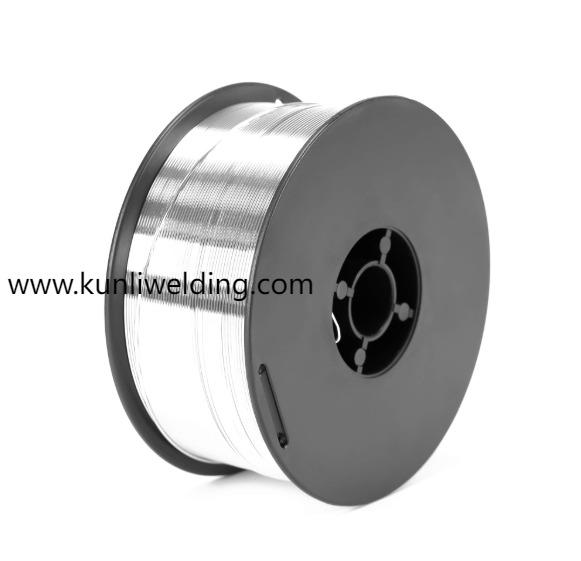
Aluminum filler wire quality deteriorates rapidly once protective packaging opens and atmospheric exposure begins. The reactive nature of aluminum creates surface oxidation within hours of moisture contact, while contaminants from shop environments settle on exposed surfaces compromising welding performance. Products from Kunli Aluminum TIG Wire Suppliers arrive in sealed packaging with desiccants protecting material during shipping and initial storage, but this protection ends the moment fabricators break seals for use. Implementing effective storage practices for opened packages preserves material quality between uses, preventing the frustration and expense of discovering degraded wire during critical welding operations when replacement delays could impact project schedules.
Resealable storage containers provide the most practical protection for partially used wire packages. Heavy-duty plastic bags with zip closures or dedicated storage boxes with tight-fitting lids create barriers against moisture and airborne contaminants. Transferring opened wire into these containers immediately after removing needed quantities prevents extended atmospheric exposure. The discipline of consistently resealing materials rather than leaving them exposed on benches or carts makes the difference between maintaining quality and allowing gradual degradation that eventually renders materials unusable despite significant remaining quantities on spools or in tubes.
Desiccant packets extend protection within sealed storage containers by absorbing residual moisture that enters during opening and closing cycles. Fresh silica gel packets placed inside storage containers with wire actively remove moisture from enclosed air spaces, preventing condensation on wire surfaces. Desiccant packets change color when saturated, providing visual indication of when replacement becomes necessary. Maintaining fresh desiccants within storage containers creates dry microenvironments protecting wire even when broader shop humidity levels prove less than ideal for aluminum storage.
Storage location selection affects contamination exposure beyond just container protection. Dedicating storage areas away from grinding operations, cutting stations, and welding fume sources reduces airborne particulate settling on materials during container opening for wire retrieval. Storage cabinets with doors provide additional isolation from general shop atmospheres, creating cleaner environments for opened wire packages. Even simple measures like storing materials on shelves rather than floors reduce contamination from dirt and moisture accumulating on concrete surfaces in active fabrication environments.
Temperature stability in storage areas prevents condensation cycles that deposit moisture directly onto wire surfaces. Moving materials between cold storage and warm production spaces creates condensation as cold surfaces contact humid air. Maintaining storage areas at temperatures similar to welding locations eliminates temperature-driven condensation. When temperature differences prove unavoidable, allowing sealed containers to equilibrate before opening prevents moisture condensation on cold wire surfaces exposed to warmer humid shop air during material retrieval.
Handling practices during wire retrieval influence contamination introduction beyond storage environment factors. Clean gloves prevent skin oil transfer to wire surfaces when handling materials during spool changes or tube selections. Avoiding contact between wire and potentially contaminated surfaces during threading and equipment setup maintains cleanliness achieved through proper storage. These handling disciplines extend storage protection through the entire material pathway from container to welding torch, preventing contamination introduction that storage practices alone cannot address.
Visual inspection before use catches degradation requiring material rejection despite storage precautions. Surface discoloration, roughness, or visible contamination indicates degradation warranting replacement rather than attempting to weld with compromised materials. Some deterioration proves irreversible regardless of cleaning attempts, making proactive inspection and rejection economically preferable to discovering problems mid-weld when defects require rework consuming additional time and materials beyond just replacement wire costs.
Inventory rotation through first-in-first-out practices prevents extended storage even under good conditions. Opened packages sit longest typically receive use before newer materials, ensuring all wire gets consumed within reasonable timeframes after package opening. Dating containers when opened enables systematic rotation tracking which materials require priority use. This organizational discipline prevents discovering ancient opened packages hidden behind newer inventory, sitting so long that degradation occurred despite proper storage measures when materials first opened.
Aluminum Tig Wire Suppliers sometimes provide guidance on expected shelf life for opened packages under various storage conditions. These recommendations help fabricators establish realistic consumption timelines and material purchasing patterns preventing excessive inventory of opened materials sitting beyond usable periods. Understanding that opened aluminum wire has limited shelf life even under good storage changes purchasing behaviors toward smaller quantities consumed promptly rather than bulk purchases creating extended storage situations.
Cleaning protocols before welding provide last defense against contamination despite storage precautions. Wiping wire with lint-free cloths immediately before use removes dust and light surface oxidation accumulated during storage. Chemical cleaners appropriate for aluminum remove more stubborn contamination though complete surface preparation cannot restore severely degraded materials. This pre-welding cleaning complements storage practices, addressing minor contamination that may occur despite reasonable storage precautions in active shop environments.
Documentation of storage practices and material conditions supports quality systems tracking and troubleshooting. Recording storage methods, inspection observations, and any quality issues traced to material condition creates feedback enabling storage procedure refinement. When multiple operators handle materials, documented procedures ensure consistent practices rather than individual interpretations of proper storage methods creating variations affecting material quality outcomes.
Aluminum Tig Wire Suppliers recognizing storage challenges sometimes offer packaging formats minimizing opened material quantities. Smaller tubes or packages enable complete consumption shortly after opening, reducing storage duration for opened materials. While per-unit costs may increase with smaller packaging, total costs including waste from degraded materials and weld quality issues may favor smaller formats for operations with intermittent wire consumption and challenging storage conditions.
Training personnel about proper storage creates organizational habits protecting material investments beyond formal procedures. When operators understand why storage matters and how their actions affect material quality, compliance becomes cultural practice rather than requiring constant supervision. This educational approach proves more sustainable than relying solely on written procedures that busy operators might shortcut under production pressures or when supervisors are absent from shop floors.
Implementing comprehensive storage practices for opened aluminum TIG wire protects both material quality and fabrication capability. The relatively minor effort required for proper storage proves insignificant compared to costs of production disruptions, weld defects, and material waste resulting from degraded consumables. These preservation practices enable shops to maintain quality standards while managing reasonable material inventories supporting operational flexibility without excessive waste from prematurely discarding partially used packages that degraded during inadequate storage. Storage recommendations and material handling guidance are available at https://www.kunliwelding.com/ .

 Arabic
 French
 Spanish
 Portuguese
 Deutsch
 Turkish
 Dutch
Dutch
 Italiano
 Russian
 Romaian
 Portuguese (Brazil)
 Greek
Greek