
The Approach and Environment That Shape a Sanibel Photographer’s Work
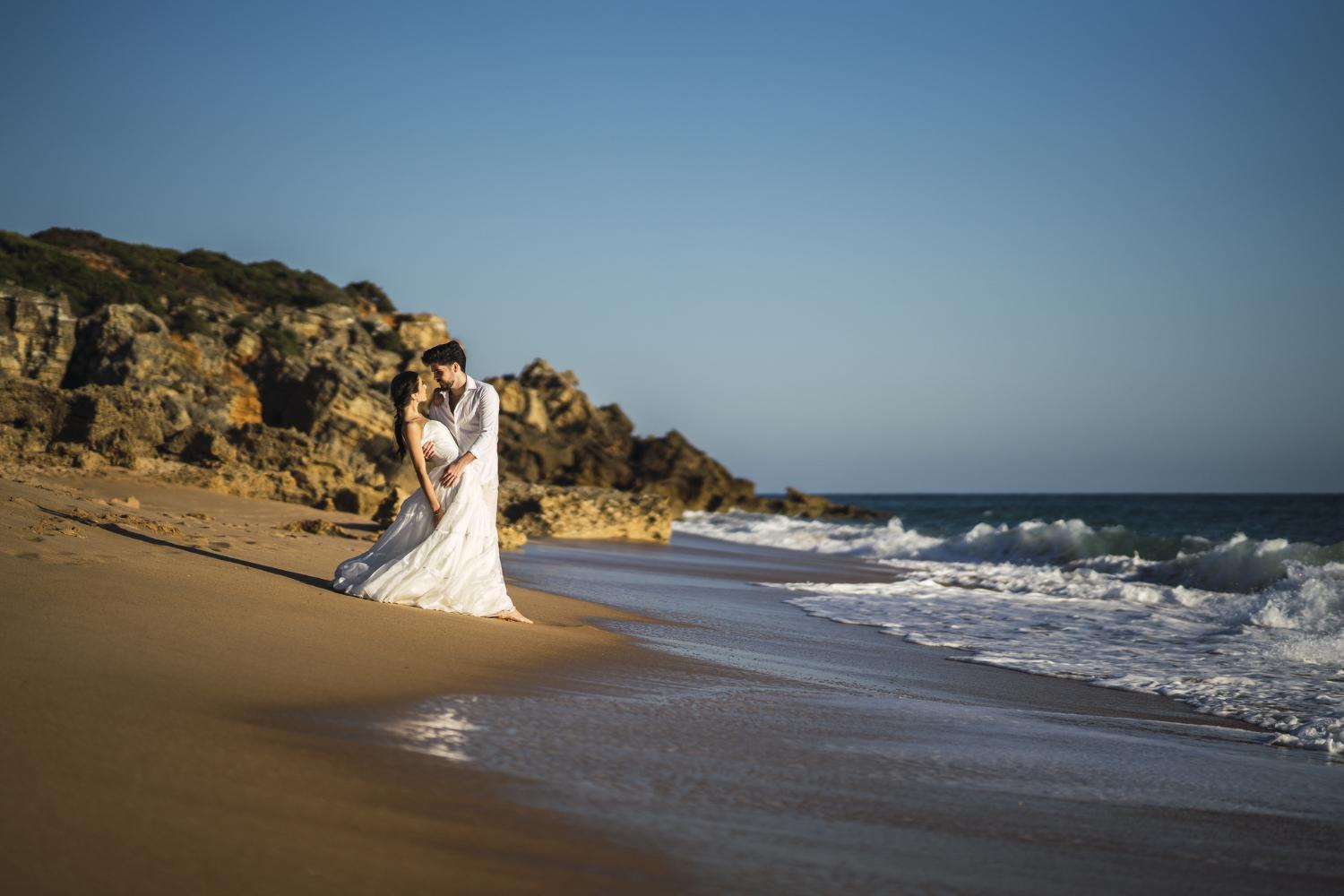
A Sanibel photographer works within a coastal setting that emphasizes preservation, simplicity, and a strong connection to nature. Sanibel Island, located off the southwest coast of Florida in the United States, is known for its shell-covered beaches, wildlife refuges, and restrictions on overdevelopment. These defining characteristics influence not only what is photographed, but also how photography is practiced on the island.
Unlike urban or studio-based photography, the work of a Sanibel photographer is closely tied to natural conditions. Light, weather, landscape, and seasonal change all play central roles. Photography on Sanibel Island is less about controlling the environment and more about responding to it with patience and awareness.
The Influence of Sanibel Island’s Landscape
Sanibel Island’s landscape shapes the visual language of a Sanibel photographer. The island features wide beaches, gentle dunes, mangroves, and coastal vegetation that remain largely untouched by commercial development. Building height limits and conservation efforts ensure that natural elements dominate the scenery.
This environment creates open compositions with minimal visual clutter. Horizons are wide, and the absence of tall structures allows sky and water to remain prominent. A Sanibel photographer often incorporates these expansive views to convey calm, balance, and a sense of place.
The island’s commitment to environmental preservation also affects access and movement. Many areas are protected, which encourages a respectful and observational approach to photography rather than one driven by convenience or control.
Working With Natural Light
Natural light is one of the most important tools for a Sanibel photographer. Coastal light behaves differently than light in urban or wooded environments. Reflections from sand and water increase brightness, while clouds and sea haze can soften contrast unexpectedly.
Early mornings often bring cooler tones and softer shadows, while late afternoons provide warmer hues and directional light. Midday light can be intense, but it also offers high clarity and bold color. A Sanibel photographer learns to adapt to each lighting condition rather than waiting for ideal circumstances.
Cloud patterns shift quickly along the coast. Overcast skies can flatten contrast and create even lighting, while broken clouds add texture and depth to the sky. Awareness of these subtle changes helps the photographer make quick compositional decisions.
Subjects and Themes Common to Sanibel Photography
The subjects captured by a Sanibel photographer often reflect the island’s natural rhythm. Landscapes, wildlife, and people interacting with the environment are recurring themes. Rather than isolating subjects from their surroundings, photography on Sanibel frequently emphasizes relationship to place.
Wildlife is a significant presence. Birds such as pelicans, herons, and egrets are commonly seen along shorelines and wetlands. Photographing wildlife on Sanibel requires patience and ethical awareness. A respectful distance is maintained, and natural behavior is prioritized over proximity.
Human subjects are often shown engaging in simple activities like walking along the beach, shelling, or sitting quietly near the water. These moments are documented as they happen, without staging or interruption.
Observation as a Core Skill
Observation is central to the work of a Sanibel photographer. Rather than directing scenes, the photographer watches for alignment between light, movement, and subject. This approach requires slowing down and paying attention to subtle shifts.
A change in wind direction, the movement of clouds, or the behavior of birds can all affect the timing of an image. The photographer remains present, ready to capture moments that unfold naturally rather than forcing them into place.
This observational method aligns with the pace of life on Sanibel Island. The environment encourages stillness and attentiveness, qualities that are reflected in the resulting images.
Movement and Stillness in Coastal Imagery
Movement and stillness coexist in coastal photography. A Sanibel photographer balances these elements to create visual interest and emotional tone. Waves rolling onto the shore, birds lifting into flight, or people walking along the water introduce motion into the frame.
At the same time, stillness is equally important. Calm water, empty stretches of sand, and quiet pauses convey reflection and balance. The photographer chooses when to emphasize action and when to allow silence to dominate the image.
This balance mirrors the natural rhythm of the island, where activity and rest exist side by side.
Seasonal Changes and Visual Variation
Although Sanibel Island maintains a generally warm climate, seasonal changes affect photography in subtle but important ways. Winter months often bring cooler temperatures, clearer skies, and softer light. Summer months are brighter and more humid, with frequent afternoon storms that create dramatic cloud formations.
A Sanibel photographer adapts to these changes by adjusting timing, composition, and expectations. Seasonal variation influences color palettes, contrast levels, and even subject behavior.
Tourism patterns also change with the seasons. During quieter periods, the island may feel more secluded, allowing for images that emphasize solitude and space. During busier times, the photographer navigates shared spaces with greater awareness.
Composition and Use of Space
Composition on Sanibel Island often involves working with large amounts of open space. A Sanibel photographer uses horizons, shorelines, and natural lines to guide the viewer’s eye without overcrowding the frame.
Negative space is frequently used to convey scale and calm. By allowing areas of sky or sand to remain uncluttered, the photographer emphasizes simplicity and focus. Subjects are given room to exist within the environment rather than dominating it.
Textures such as rippled sand, shells, water reflections, and vegetation add depth without overwhelming the image. These subtle details enrich the photograph while maintaining visual restraint.
Color and Texture in the Sanibel Environment
The color palette on Sanibel Island is shaped primarily by nature. Blues from the Gulf and sky, neutral sands, and muted greens from coastal plants dominate the landscape. A Sanibel photographer works within this palette to create cohesive imagery.
Rather than introducing artificial color contrast, the photographer allows natural tones to interact. Light changes can shift these colors dramatically, from soft pastels at sunrise to saturated hues under bright midday sun.
Texture also plays an important role. Weathered shells, driftwood, and dune grasses add tactile interest. These textures connect the image to the physical environment of the island.
Ethical Awareness and Environmental Responsibility
Sanibel Island places a strong emphasis on conservation, and a Sanibel photographer works within this framework. Protected wildlife areas, nesting sites, and conservation zones require careful navigation.
Photography is conducted without disturbing wildlife or damaging natural features. This ethical approach ensures that the environment remains intact and that photography does not interfere with the island’s ecological balance.
Respect for other visitors and residents is also essential. Many photographs are taken in public spaces, requiring awareness and courtesy.
Storytelling Through Subtlety
Storytelling in Sanibel photography is often understated. Rather than dramatic narratives, the images focus on continuity and presence. Repeated patterns—waves arriving at shore, birds returning to familiar locations, people following daily routines—form the basis of visual storytelling.
A Sanibel photographer allows these stories to emerge over time, often through a sequence of images rather than a single frame. The narrative unfolds quietly, inviting viewers to slow down and observe details.
This subtle approach reflects the island’s character and encourages a deeper connection with the imagery.
Longevity and Timeless Quality of Images
Photographs created on Sanibel Island often retain relevance over time due to their simplicity. Without reliance on trends, props, or heavy manipulation, the images remain grounded in fundamental visual elements.
A Sanibel photographer focuses on light, composition, and moment rather than novelty. This emphasis helps ensure that photographs continue to resonate years after they are taken.
The timeless quality of these images mirrors the enduring nature of the island itself.
Conclusion
A Sanibel photographer works within a coastal environment defined by preservation, observation, and natural rhythm. The island’s landscapes, light, and pace of life shape how photography is approached and how stories are told.
By prioritizing attentiveness, ethical awareness, and simplicity, the photographer creates images that reflect both place and moment. The result is photography that captures not only the visual aspects of Sanibel Island, but also its quiet, balanced atmosphere within the United States.

 Arabic
 French
 Spanish
 Portuguese
 Deutsch
 Turkish
 Dutch
Dutch
 Italiano
 Russian
 Romaian
 Portuguese (Brazil)
 Greek
Greek